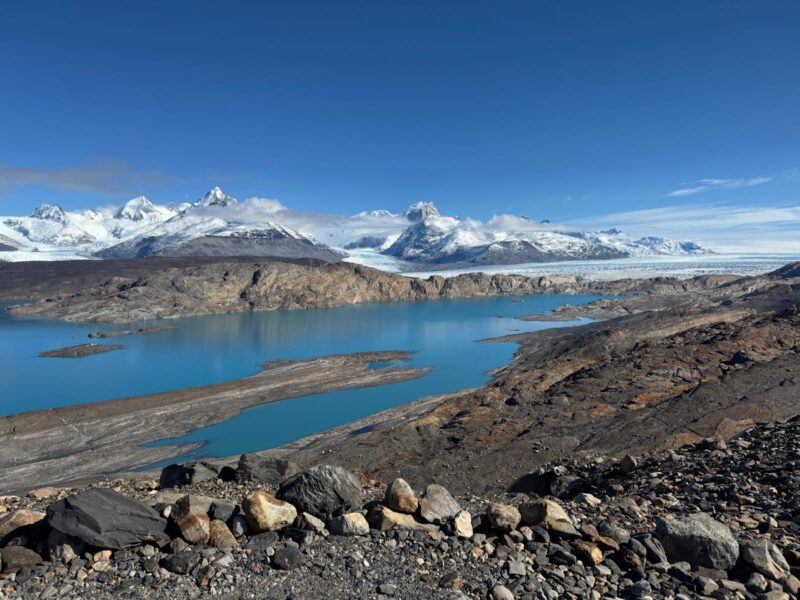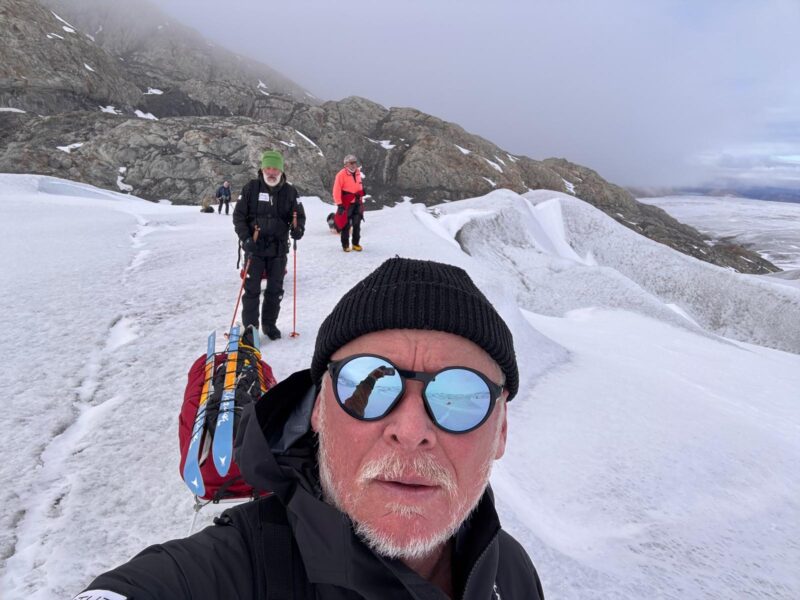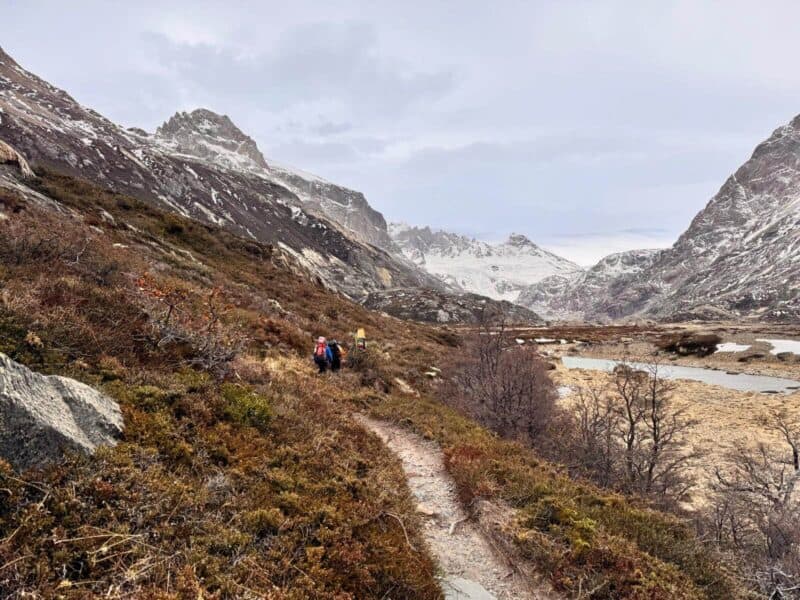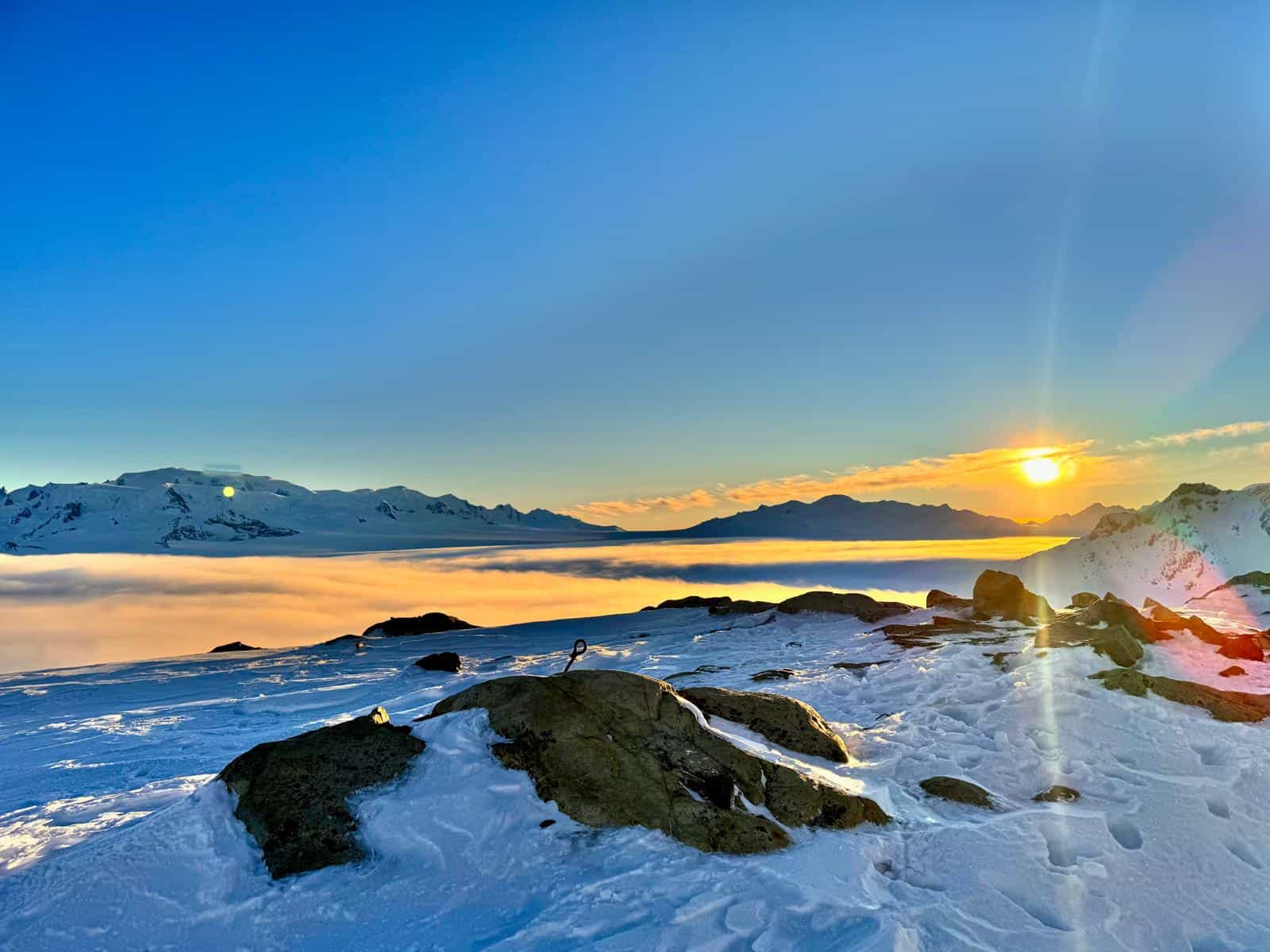
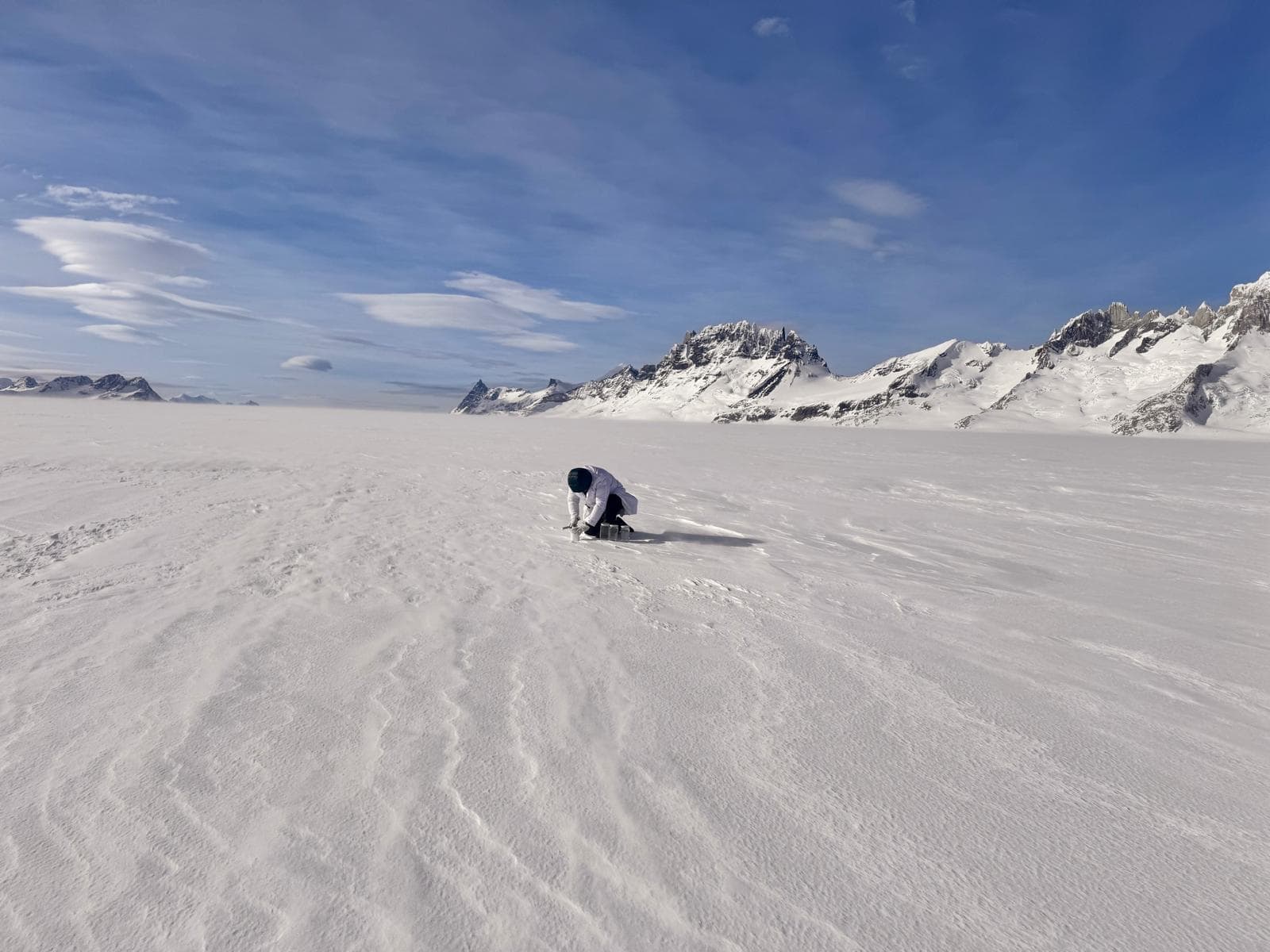
Mission Spiritus has now collected its first snow samples from the glacier in Patagonia.
This marks the next stage of fieldwork for the expedition. The team is collecting environmental samples in this remote mountain environment to support research into airborne micro and nano plastics.
Fieldwork continues
After months of planning, preparation and logistics, the team is now established on the glacier and progressing through the sampling programme.
Snow samples are being collected carefully and prepared for onward analysis by Columbia University. Mission Spiritus is backed by Columbia University and works with the Columbia Climate School’s Lamont-Doherty Earth Observatory.
The role of the expedition team is to collect environmental samples in remote and extreme environments. These samples form part of wider scientific work designed to contribute to understanding of airborne micro and nano plastics.
Progress across the ice
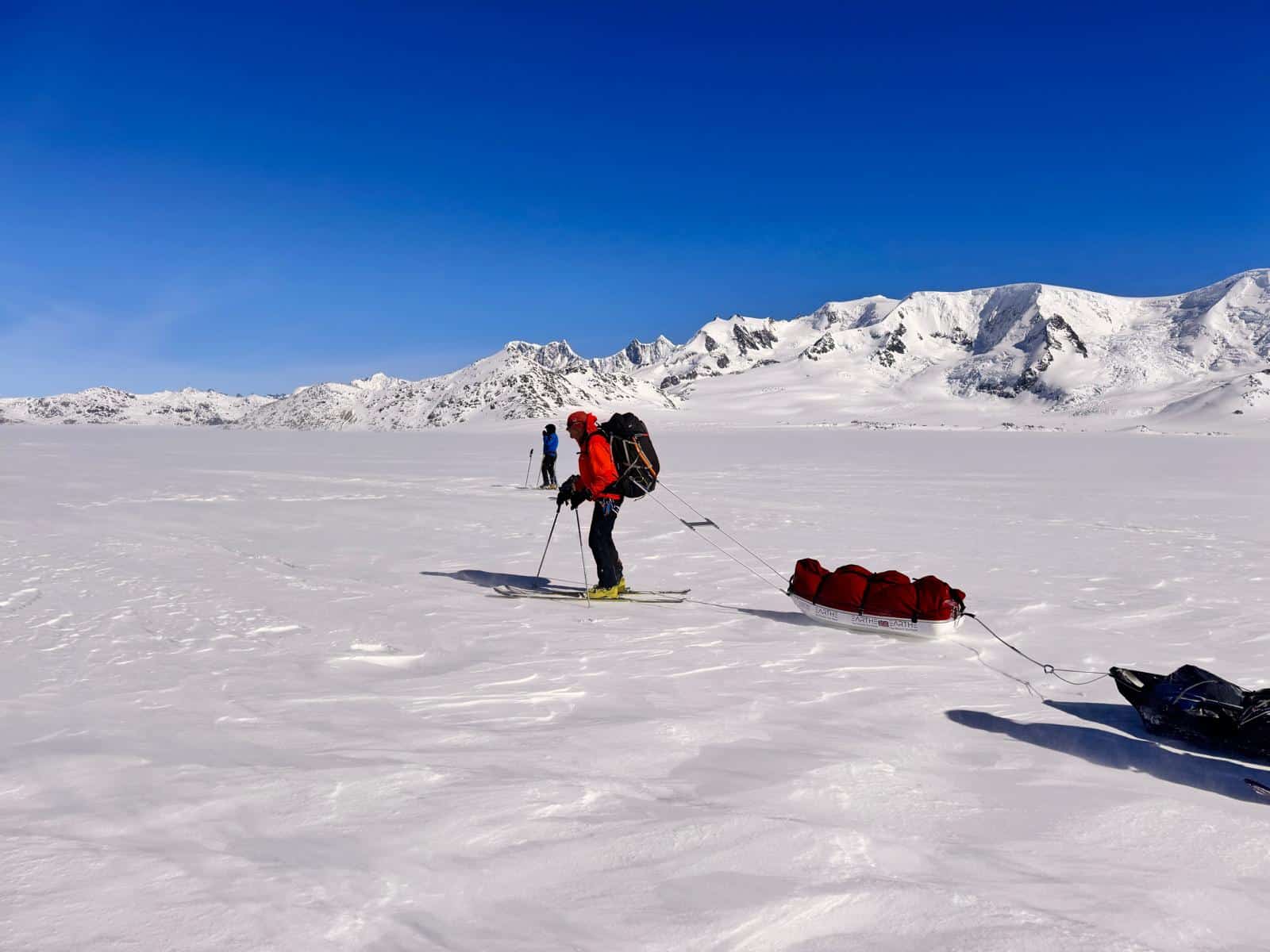
The team has now covered nearly one third of the planned expedition distance, with around 55km of glacier still to cross.
Travel across the glacier requires steady progress, sound judgement and close attention to changing conditions. Alongside the scientific work, the team is continuing to move equipment and establish the capability needed for further sampling across the route.
Waiting for the weather
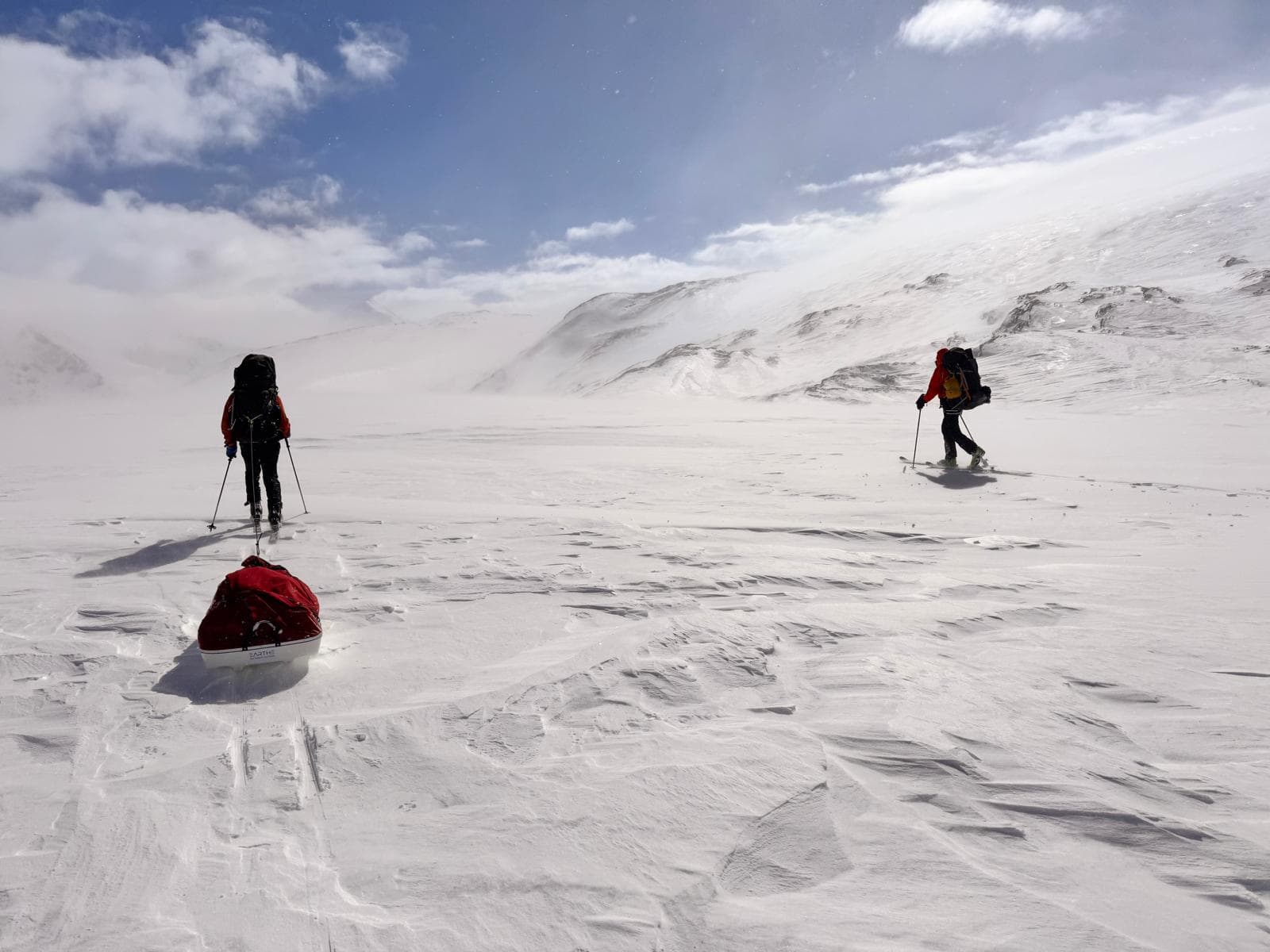
Over the past 24 hours, inclement weather has made movement impossible. The team has remained in camp, waiting for conditions to improve before continuing.
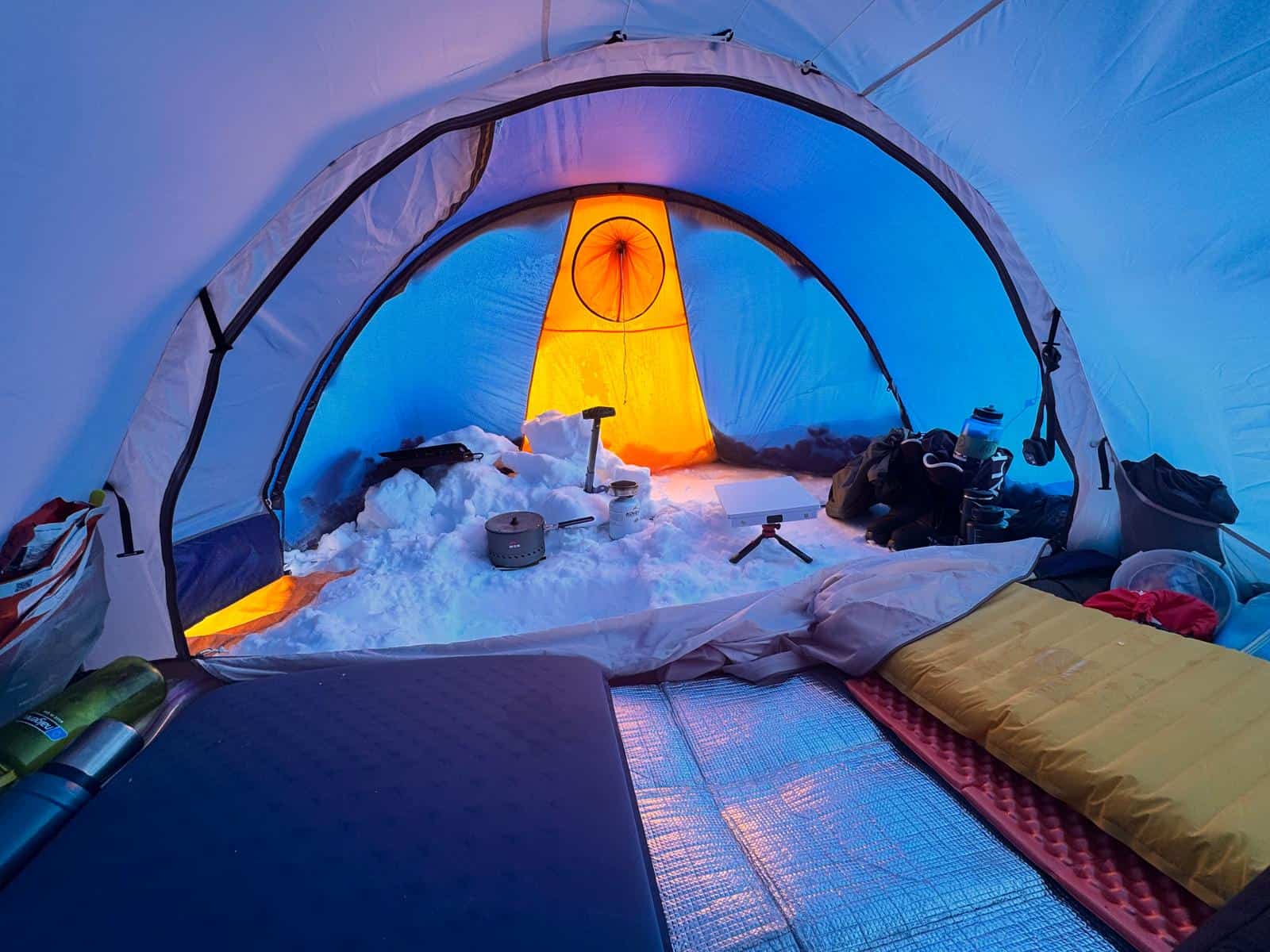
On an expedition like this, stopping is sometimes the right decision. Fieldwork depends on working safely and carefully within the environment, rather than trying to force progress when conditions are against you.
Morale remains high, the team is safe and the scientific work is progressing. When weather conditions allow, they will continue across the glacier and build on the samples already collected.
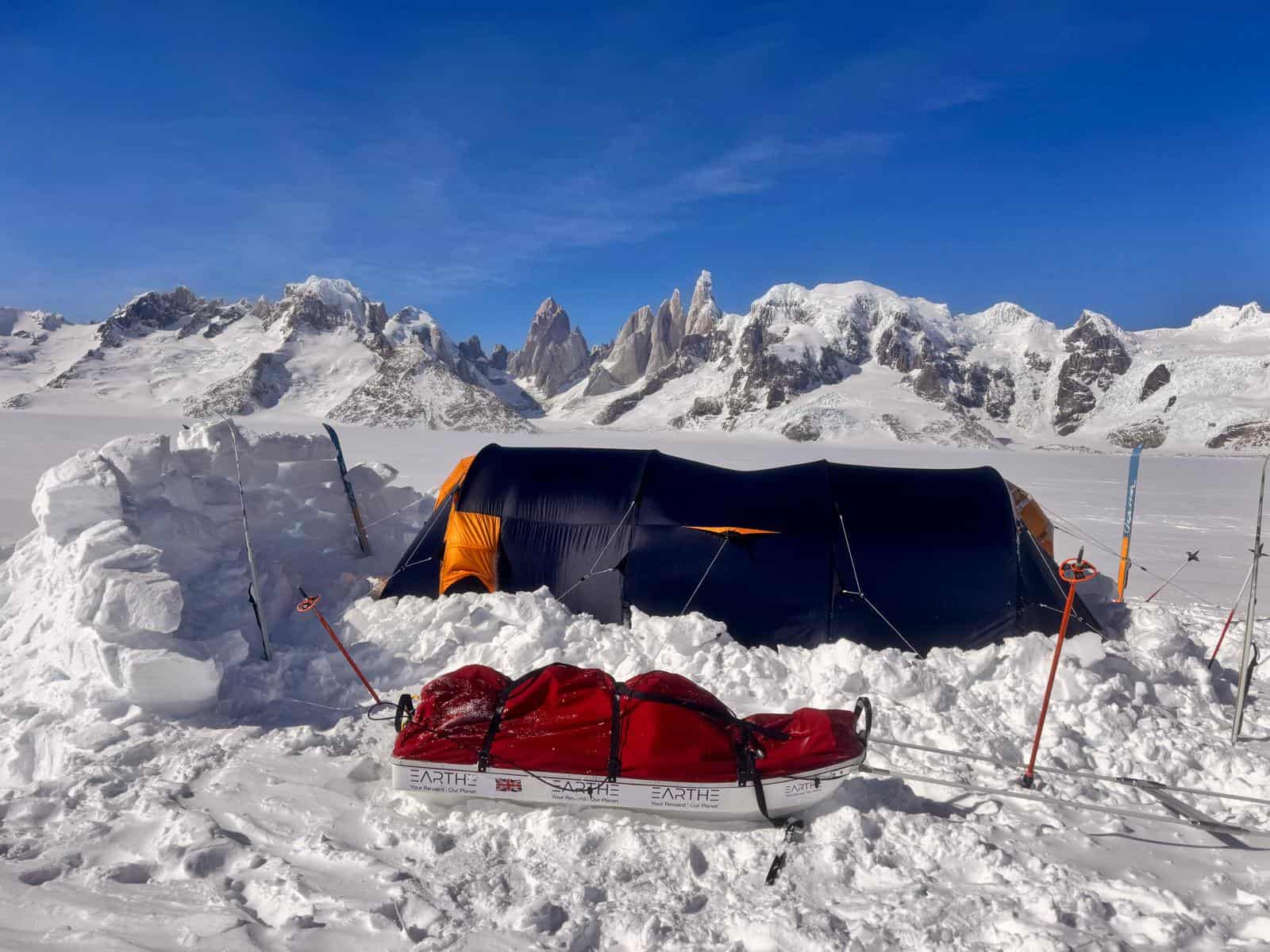
One step, one sample and one kilometre at a time
Patagonia is Mission Spiritus’ fourth expedition. Each expedition contributes environmental samples from different remote and extreme environments, supporting a broader scientific effort to better understand airborne micro and nano plastics.
For now, the focus remains on the next stage of the journey: continuing safely, collecting samples carefully and adapting to the conditions Patagonia presents.
Further updates will follow from the field.