Microplastics are plastic particles smaller than five millimetres. They are created when larger plastic materials break down and when synthetic fibres shed from textiles during use and washing.
Within Mission Spiritus®, our focus is more specific. We study airborne micro and nano plastics, particularly how they travel through the atmosphere and settle in remote and extreme environments . Through science-led expeditions, we collect environmental samples to better understand their presence and movement across the planet.
Understanding what microplastics are, where they come from and how they move is central to building credible, evidence-based knowledge.
The Main Types of Microplastics
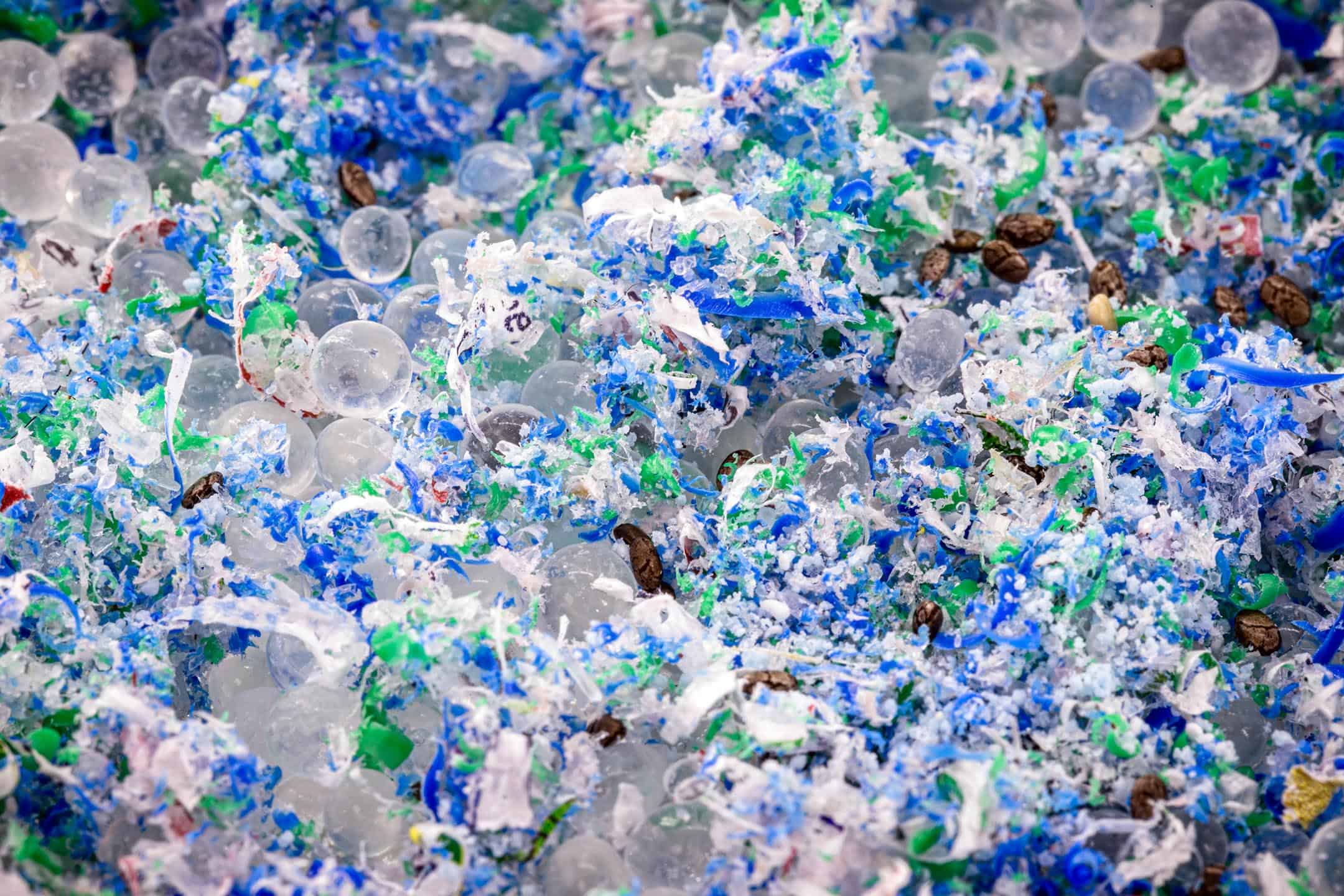
Microplastics are generally grouped into three forms: fragments, fibres and beads.
Fragments
Fragments are irregular pieces formed as larger plastic items degrade over time. Sunlight, temperature change and physical abrasion cause bottles, packaging and other materials to break into progressively smaller pieces.
Fibres
Fibres are fine strands released from synthetic textiles such as polyester and nylon. Washing clothing is a major source. These fibres can enter wastewater systems and, in some cases, become airborne.
Most research shows that synthetic textiles are a primary contributor to airborne microplastics, with fibres the dominant shape.
Beads
Beads are small, manufactured spherical particles previously used in some personal care products. In several countries, these have now been restricted or banned.
Each type behaves differently in the environment. Understanding these differences is essential for effective monitoring and mitigation.
Environmental Impact
Microplastics are now documented across marine, terrestrial and atmospheric systems. They are persistent and can move across large distances.
Mission Spiritus® focuses particularly on airborne transport. Our expeditions to Antarctica, Oman and the Faroe Islands have collected snow, sand, water and sediment samples from remote locations . These samples are analysed by Columbia University to support research into airborne micro and nano plastics.
Marine and Coastal Environments
Marine organisms can ingest microplastics directly. Particles may accumulate within food chains. While research is ongoing, the potential for chemical transfer and biological stress remains an active area of study.
Soil and Terrestrial Systems
In soils, microplastics may influence microbial communities and nutrient cycling. These processes are fundamental to ecosystem stability. The long-term implications require further evidence-based investigation.
Our approach is grounded in scientific collaboration. Mission Spiritus® works with the Columbia Climate School’s Lamont-Doherty Earth Observatory to ensure rigorous analysis of collected samples.
Human Health Considerations
Human exposure can occur through ingestion, inhalation and, to a lesser extent, dermal contact.
Airborne microplastics are of particular interest. Their small size allows them to be inhaled directly. Research is examining how these particles interact with the respiratory system and whether they contribute to inflammation or other health outcomes.
Evidence also suggests that microplastics can act as carriers for other contaminants. However, the scale and significance of associated health risks are still being clarified through ongoing research.
Mission Spiritus® does not speculate beyond the evidence. Our role is to contribute high-quality environmental samples that strengthen global scientific understanding.
Mitigation Strategies
Addressing microplastics requires coordinated action across technology, policy and industry.
Filtration and Wastewater Treatment
Advanced filtration systems can reduce the release of microplastics into waterways. Improvements in wastewater treatment are an important part of limiting environmental distribution.
Product Design and Recycling
Reducing reliance on single-use plastics and improving recycling systems lowers the volume of material that can fragment into microplastics over time.
Textile innovation also has a role to play. Developing materials that shed fewer fibres can reduce airborne and waterborne release.
Regulation
Some governments have introduced bans on microbeads and are exploring broader plastic reduction policies. Regulatory frameworks vary internationally, which makes coordination complex.
Long-term progress depends on robust data. Without credible measurement, policy cannot be proportionate or effective.
The Role of Mission Spiritus®
Mission Spiritus® is a global science-led expedition initiative combining exploration, research, education and storytelling .
Our objective is to advance understanding of airborne micro and nano plastics by collecting environmental samples from some of the world’s most remote and extreme places . These samples are analysed in partnership with Columbia University, ensuring that our contribution is grounded in credible, evidence-based science.
We are not an advocacy campaign or a marketing platform . We are a long-term research and education initiative focused on building reliable data and improving global scientific understanding.
Microplastics represent a complex environmental challenge. Clear communication, rigorous research and sustained collaboration are essential.
That is the work we are committed to delivering.
Frequently Asked Questions
What is Mission Spiritus® focused on?
Mission Spiritus® is a global science-led expedition initiative combining exploration, research, education and storytelling.
Our focus is on advancing understanding of airborne micro and nano plastics, particularly their presence and movement across the planet in remote and extreme environments.
Why focus on airborne micro and nano plastics?
Airborne particles can travel significant distances and settle in environments far from urban or industrial centres. Understanding how these particles move through the atmosphere is critical to building global scientific understanding.
Mission Spiritus® exists to collect environmental samples that support this research.
How does Mission Spiritus® contribute to scientific research?
During each expedition, environmental samples are collected in remote locations. These samples are analysed by Columbia University to support research into airborne micro and nano plastics.
Mission Spiritus® is backed by Columbia University and works with the Columbia Climate School’s Lamont-Doherty Earth Observatory . This partnership ensures the work is grounded in credible, evidence-based science.
Where have samples been collected so far?
Completed expeditions include:
Antarctica
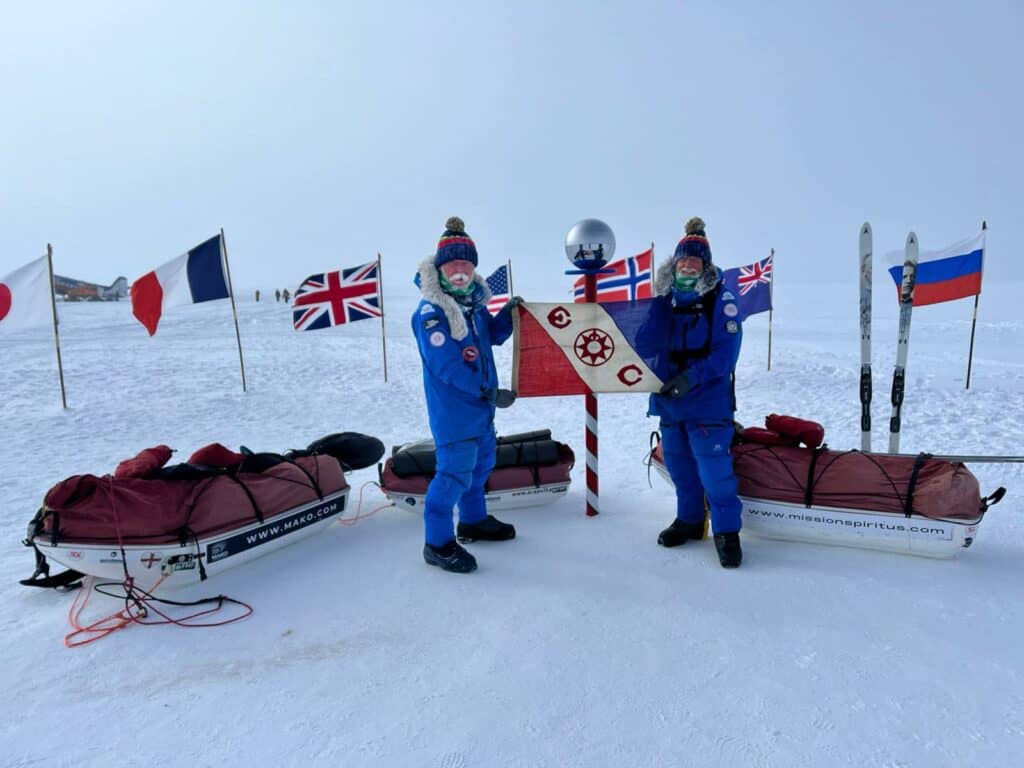
A 1,150 km journey to the South Pole. Snow samples were collected in one of the planet’s most remote environments .
Oman
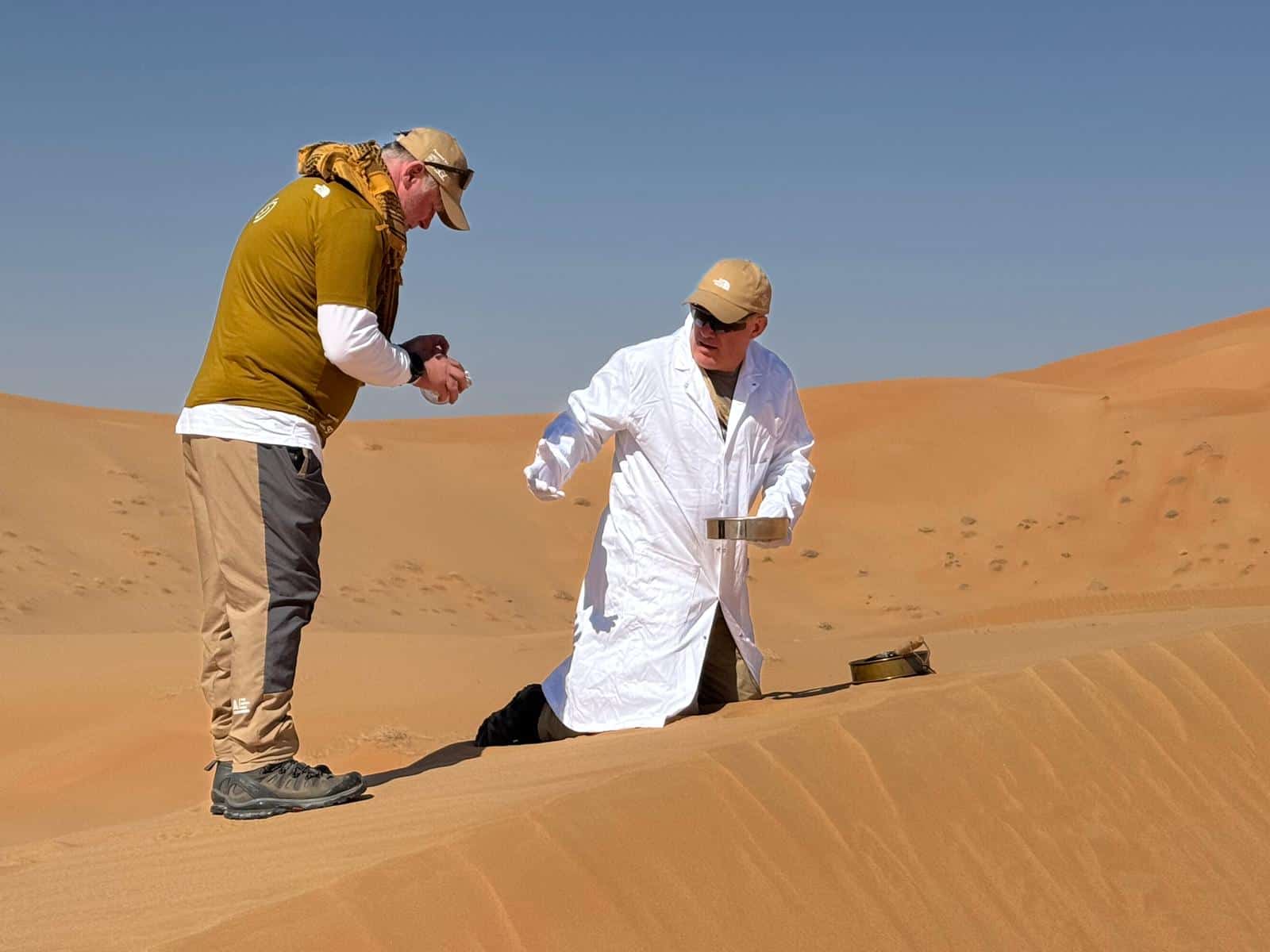
A 26-day desert expedition covering over 1,000 km. 52 sand samples were collected to support research into the deposit of airborne nano plastics.
Faroe Islands
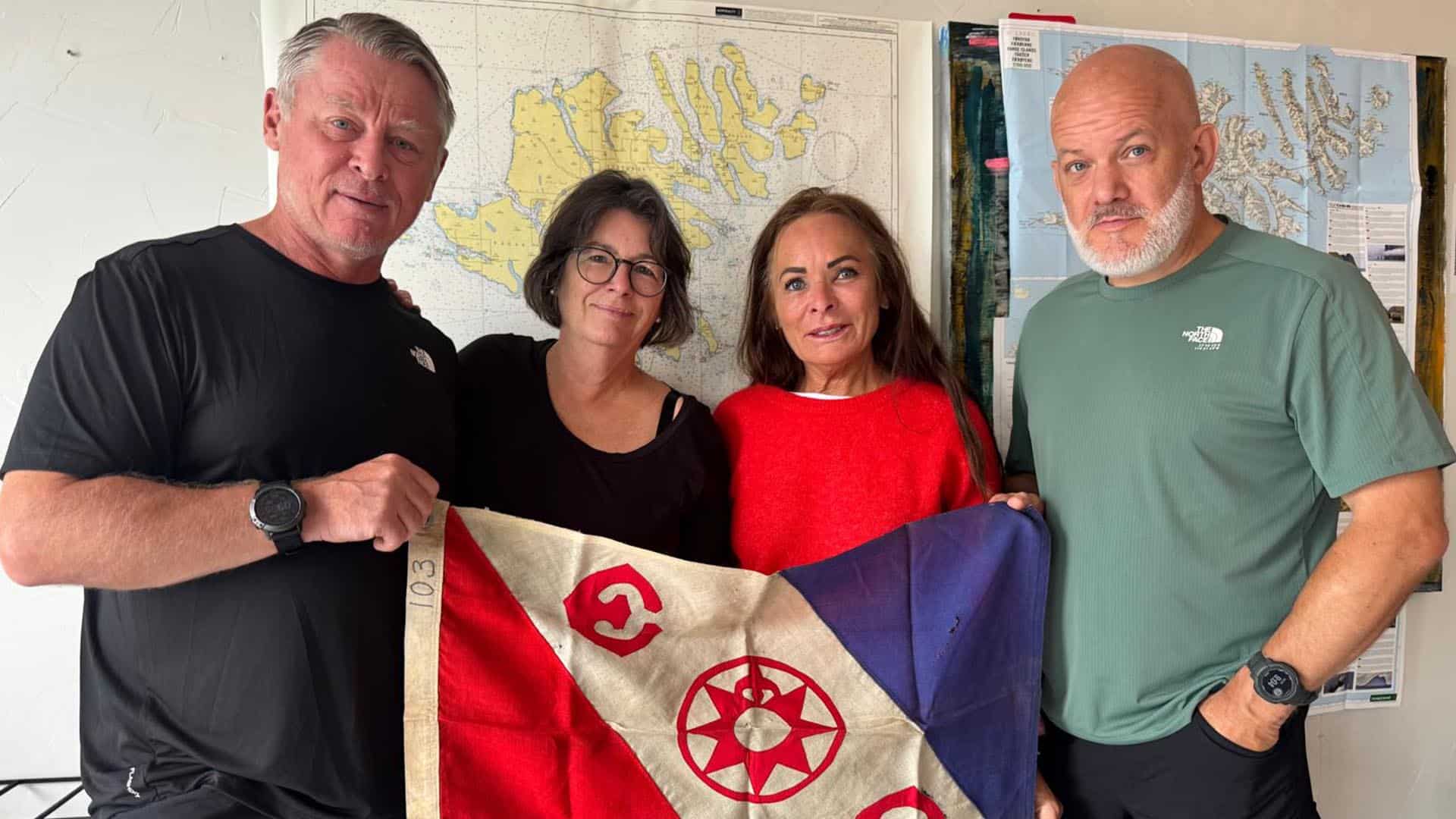
A 10-day expedition across 10 islands. 49 water, sediment and beach samples were collected from remote lakes and coastal locations .
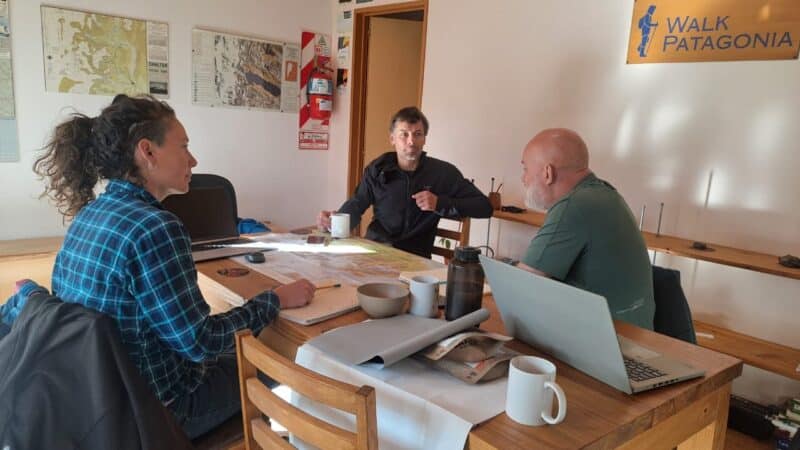
Further expeditions are planned in Patagonia, Africa, the Northwest Passage and Australia .
Who leads the expeditions?

Mission Spiritus® is led by polar explorer and former Royal Marine Alan Chambers MBE .
Operations are supported by former Royal Marines officer Billy Perham.
Scientific direction is supported by Columbia University scientists including Dr Maureen Raymo and Dr Beizhan Yan.
Is Mission Spiritus® an environmental campaign?
No. Mission Spiritus® is not activism without evidence and not hype-led.
It is a science-led expedition programme and a global environmental research initiative. Our role is to contribute credible data and communicate findings responsibly.
Why collect samples in remote and extreme environments?
Remote locations provide important baseline data. By collecting environmental samples in places such as Antarctica, deserts and isolated islands, researchers can better understand how airborne micro and nano plastics travel and deposit across the planet.
This helps strengthen global scientific understanding through real-world data.
How does Mission Spiritus® balance science and storytelling?
Mission Spiritus® is not only a scientific initiative. It is also a platform for communication, education and global engagement.
The objective is to turn credible field research into accessible education and awareness, without exaggeration or inflated claims.
How can organisations get involved?
Mission Spiritus® is seeking strategic partners aligned with its values and mission.
Partnerships are built on alignment, credibility and real-world impact, not short-term sponsorship visibility.