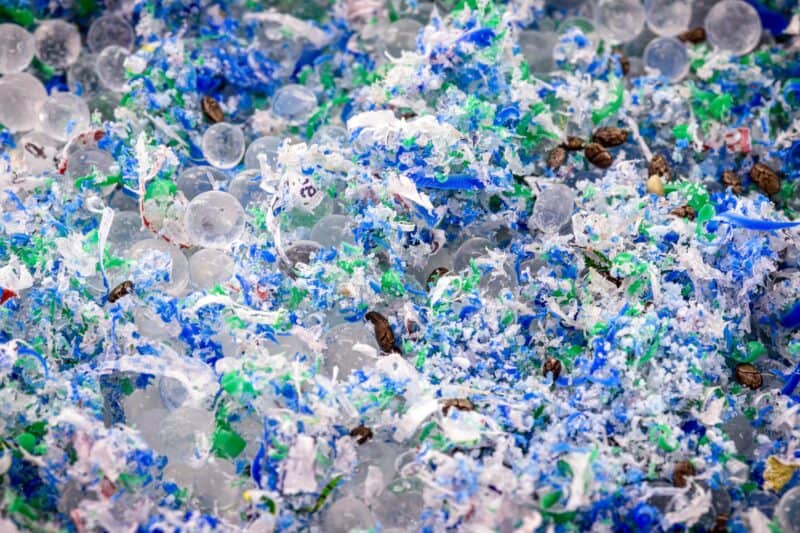
Nanoplastics are extremely small plastic particles, smaller than microplastics and often measured at the nanoscale. Because of their size, they are not visible to the human eye and require specialised scientific analysis to detect and study.
Within Mission Spiritus®, our work focuses specifically on airborne micro and nanoplastics. Understanding how these particles move through the atmosphere and deposit in remote and extreme environments is central to advancing global scientific knowledge.
How Do Nanoplastics Form?
Nanoplastics can form as larger plastic materials progressively break down into smaller fragments. Over time, physical, chemical and environmental processes reduce plastic debris to microscopic and eventually nanoscale particles.
They may also be generated through industrial processes and material wear. Due to their extremely small size, they can travel through air systems and settle far from their original source.
Mission Spiritus® expeditions collect environmental samples to help scientists better understand how airborne nanoplastics are transported and deposited across the planet.
Why Are Nanoplastics Important?
Nanoplastics matter because size influences behaviour.
At nanoscale dimensions, particles may:
- Travel long distances through the atmosphere.
- Interact differently with environmental systems.
- Become more difficult to detect and measure.
Despite their size, they are part of a broader environmental system that requires careful, evidence-based study.
Mission Spiritus® exists to advance research into airborne micro and nanoplastics through real-world field collection. This includes sampling in environments where background data remains limited.
Where Are Nanoplastics Being Studied?
Mission Spiritus® has completed expeditions in:
Antarctica
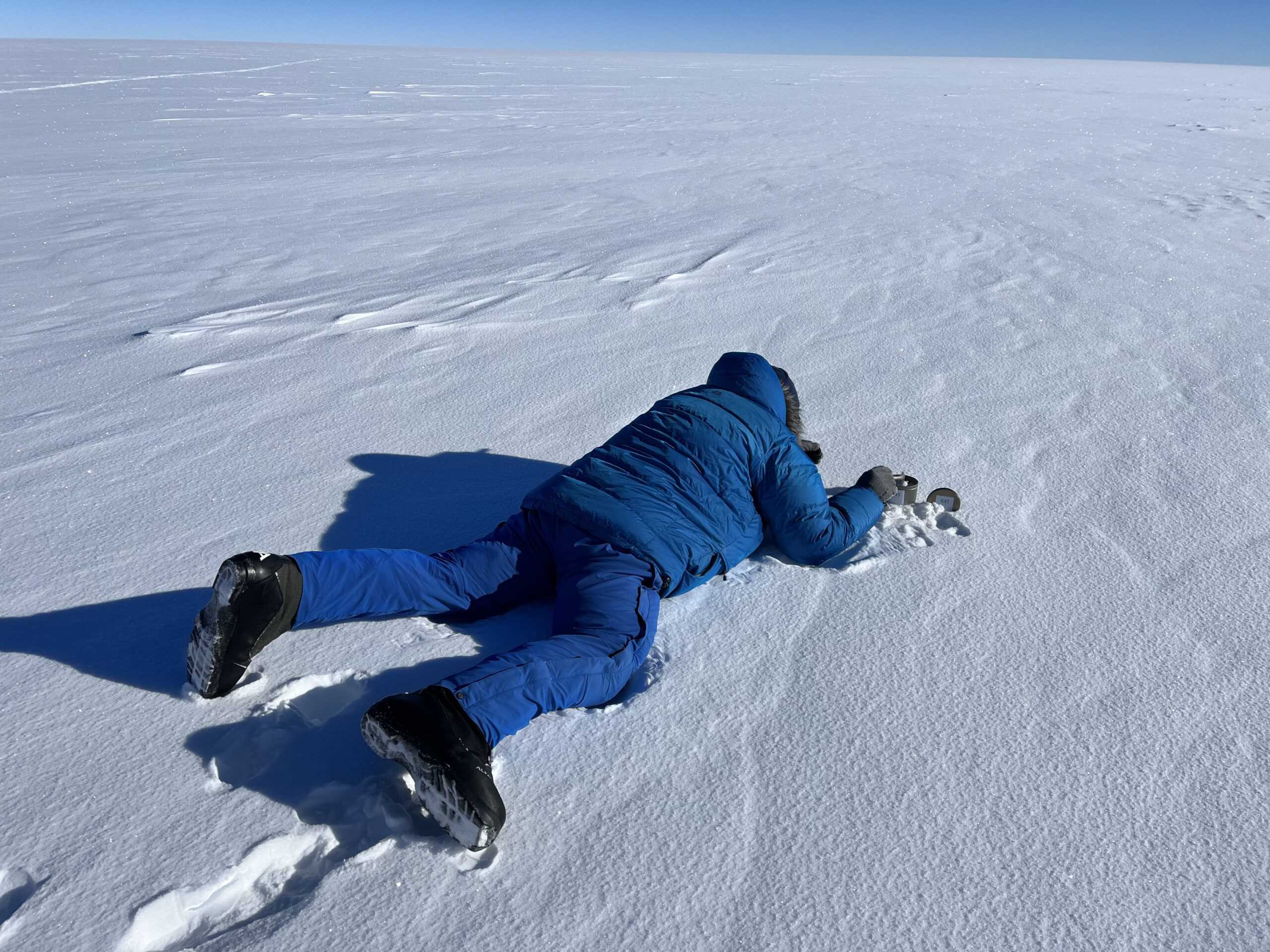
Snow samples were collected during a 1,150 km journey to the South Pole to support research into airborne micro and nanoplastics in one of the world’s most remote environments.
Oman
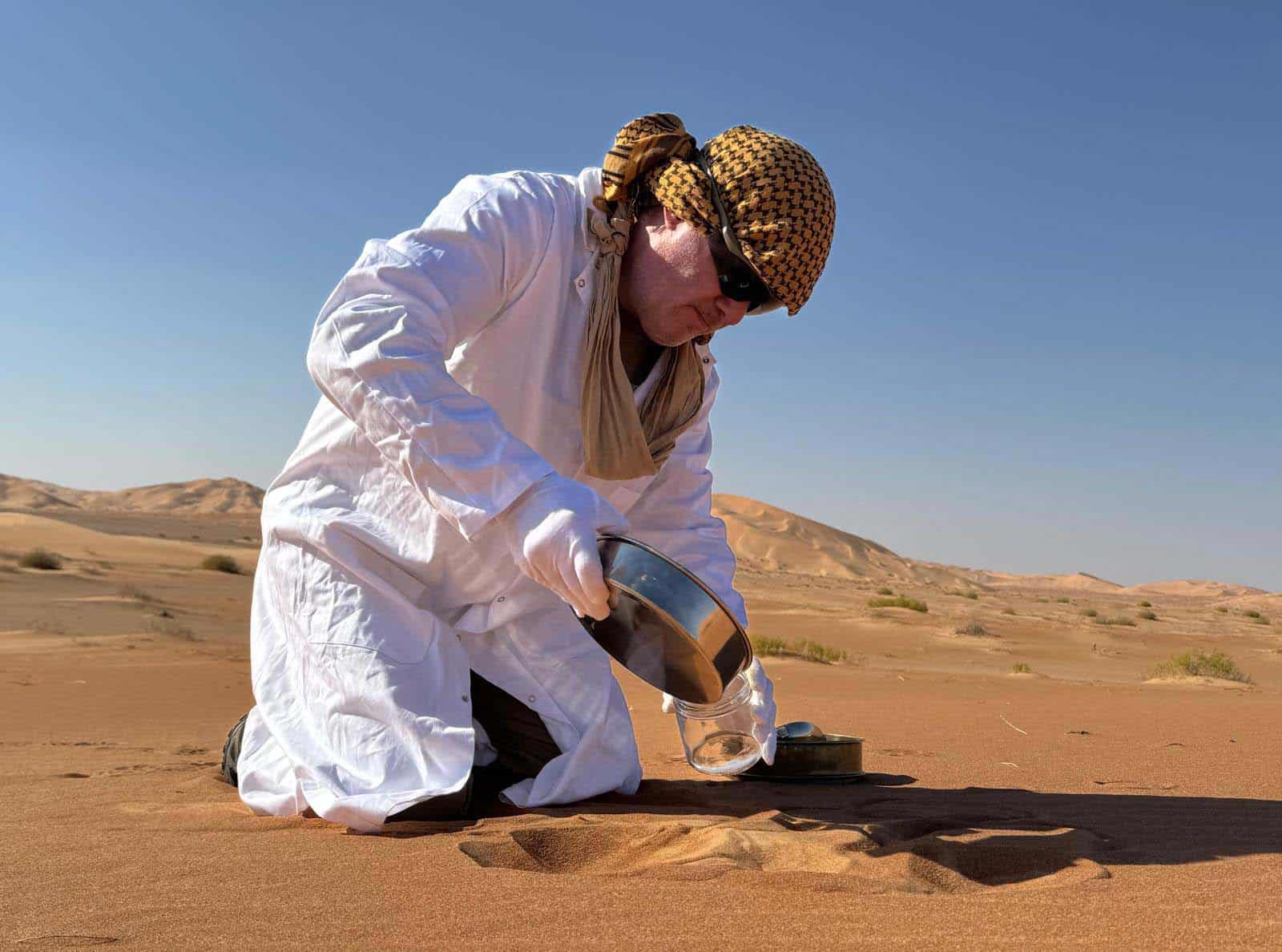
During a 26-day desert expedition, 52 sand samples were collected to support research into the deposit of airborne nanoplastics across shifting sands.
Faroe Islands
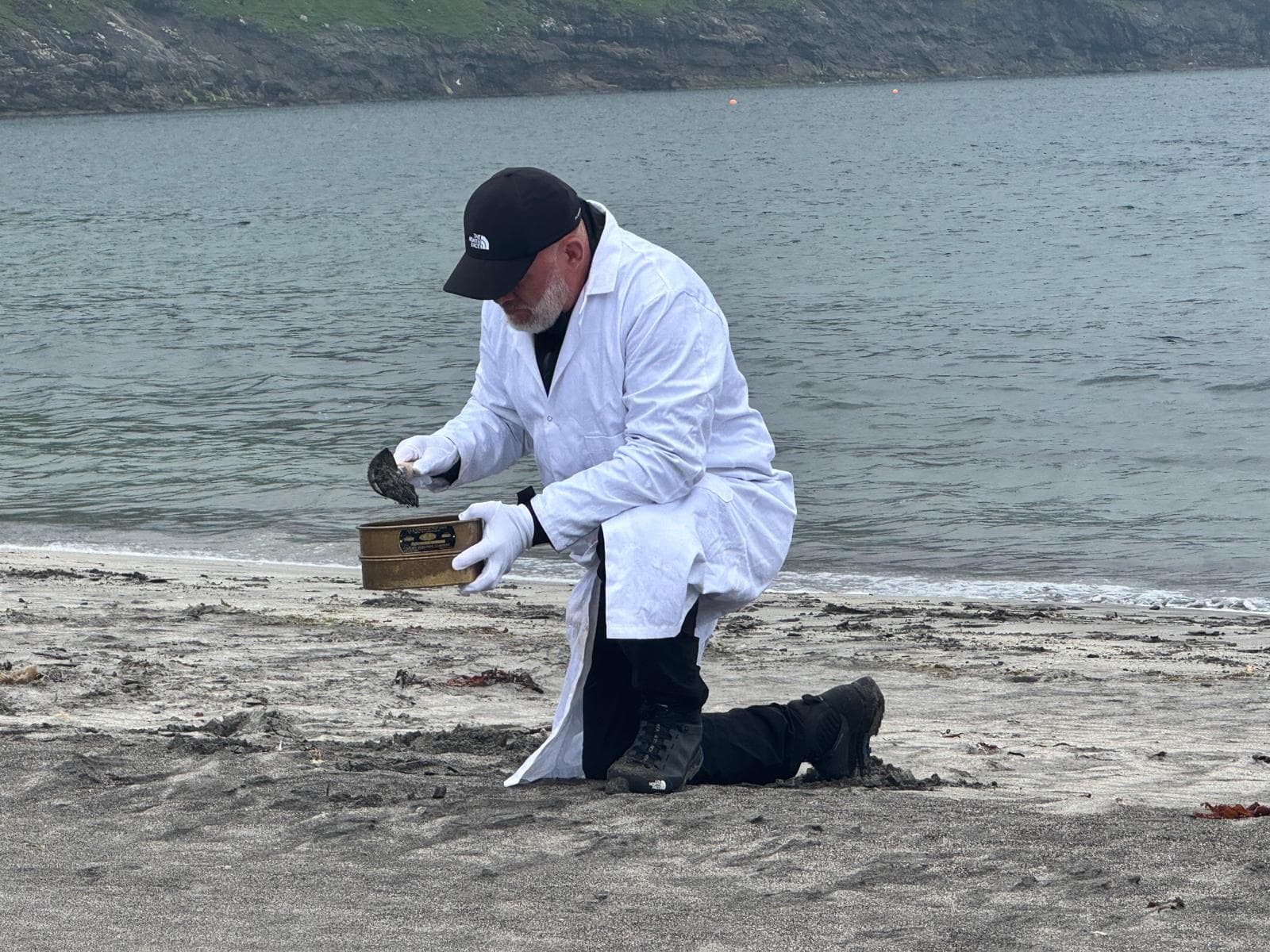
49 water, sediment and beach samples were collected across 10 islands to support ongoing environmental analysis.
All environmental samples are analysed within Lamont-Doherty Earth Observatory at Columbia University. This ensures the work is grounded in credible, evidence-based science.
How Are Nanoplastics Analysed?
Nanoplastics cannot be assessed through visual inspection. Laboratory-based techniques are required to extract, isolate and identify particles from environmental samples. This includes using the recently developed stimulated Raman scattering microscopy by Lamont-Doherty Earth Observatory at Columbia University.
This scientific partnership underpins the integrity of the programme.
Why Focus on Remote and Extreme Environments?
Remote environments provide important reference data.
By collecting environmental samples in locations such as Antarctica, deserts and isolated island systems, researchers can better understand how airborne micro and nanoplastics move globally.
Mission Spiritus® is a science-led expedition initiative. Our objective is not to speculate, but to contribute credible data that strengthens global scientific understanding.
The Role of Mission Spiritus®
Mission Spiritus® combines exploration, research, education and storytelling.
It is:
- A science-led expedition programme.
- A global environmental research initiative.
- A platform for education and awareness.
It is not hype-led or activism without evidence.
Nanoplastics represent a complex and evolving area of environmental research. Progress depends on sustained collaboration, careful sampling and rigorous analysis.
That is the role Mission Spiritus® is committed to fulfilling.
Frequently Asked Questions
What are nanoplastics?
Nanoplastics are extremely small plastic particles at the nanoscale. They are smaller than microplastics and cannot be seen without specialised scientific equipment.
Within Mission Spiritus®, the focus is on airborne micro and nanoplastics and how these particles move through the atmosphere and deposit in remote and extreme environments.
How are nanoplastics different from microplastics?
The primary difference is size.
Microplastics are plastic particles smaller than five millimetres. Nanoplastics are significantly smaller and exist at the nanoscale, under 1 µm.
This smaller size may influence how they travel through air systems and how they interact with environmental processes. Their scale also makes them more technically challenging to detect and analyse.
Why is Mission Spiritus® studying airborne nano plastics?
The research contributes to:
- Improving scientific understanding of global plastic pollution.
- Evidence to support environmental policy and regulation.
- Educational outreach and scientific engagement.
Where are nanoplastics being analysed?
Environmental samples collected during Mission Spiritus® expeditions are analysed at Columbia University, in collaboration with the Columbia Climate School’s Lamont-Doherty Earth Observatory.
This scientific partnership ensures that research is grounded in credible, evidence-based methods.
Why collect samples in remote and extreme environments?
Remote environments provide important baseline data.
By studying snow, sand, water and sediment in isolated regions, researchers can better understand how airborne micro and nano plastics move across the planet and where they deposit.
This strengthens global scientific understanding through real-world data collection.
Are nanoplastics harmful?
Research into nanoplastics is ongoing. Their small size has raised scientific interest, particularly in relation to environmental distribution and potential biological interaction.
Mission Spiritus® does not speculate beyond available evidence. Our role is to contribute high-quality environmental samples that support independent scientific research.
Is Mission Spiritus® an environmental campaign?
No. Mission Spiritus® is a science-led expedition initiative combining exploration, research, education and storytelling.
It exists to advance understanding of airborne micro and nanoplastics through credible fieldwork and academic collaboration, not through advocacy without evidence.